
Zambia’s Early Results Show Strong Promise
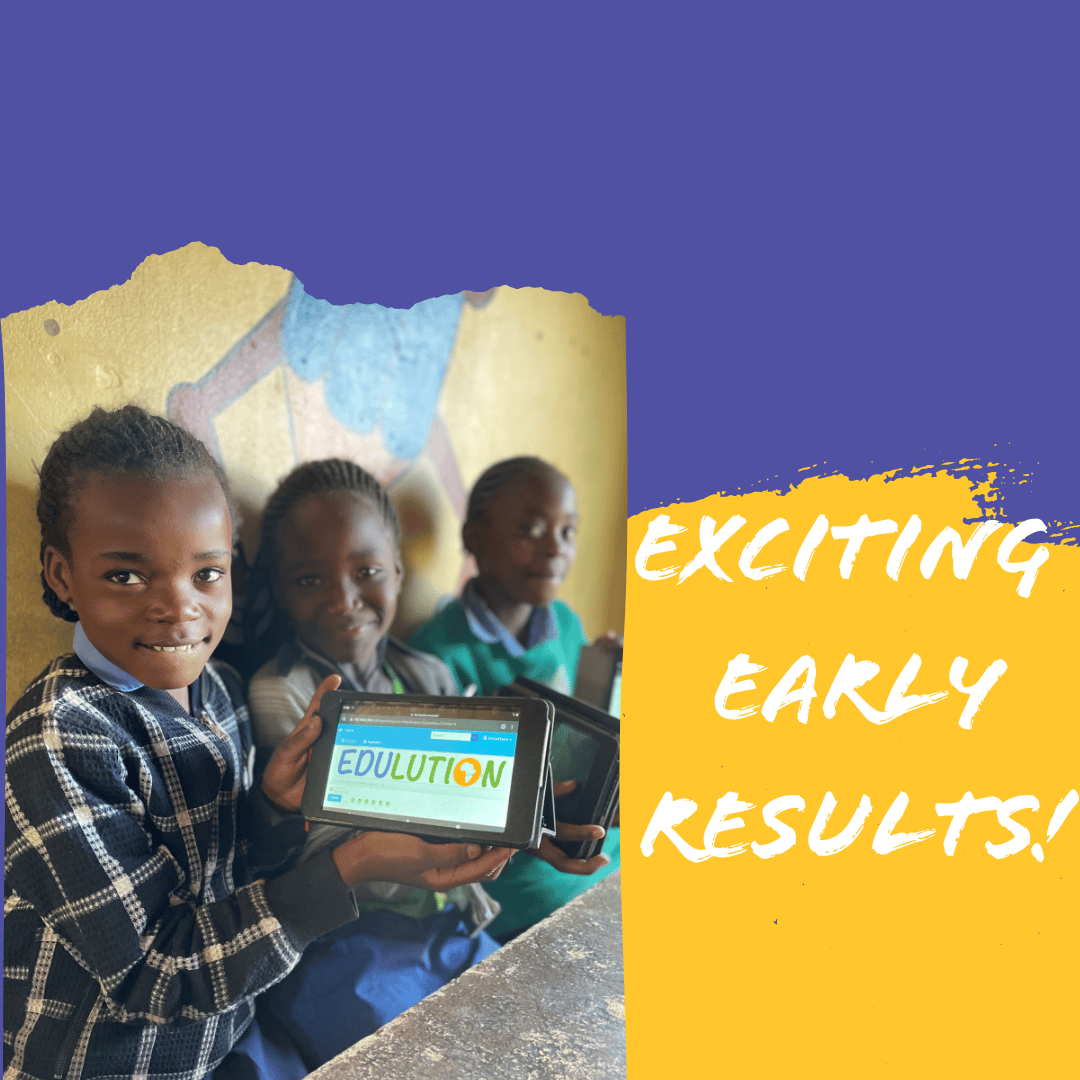
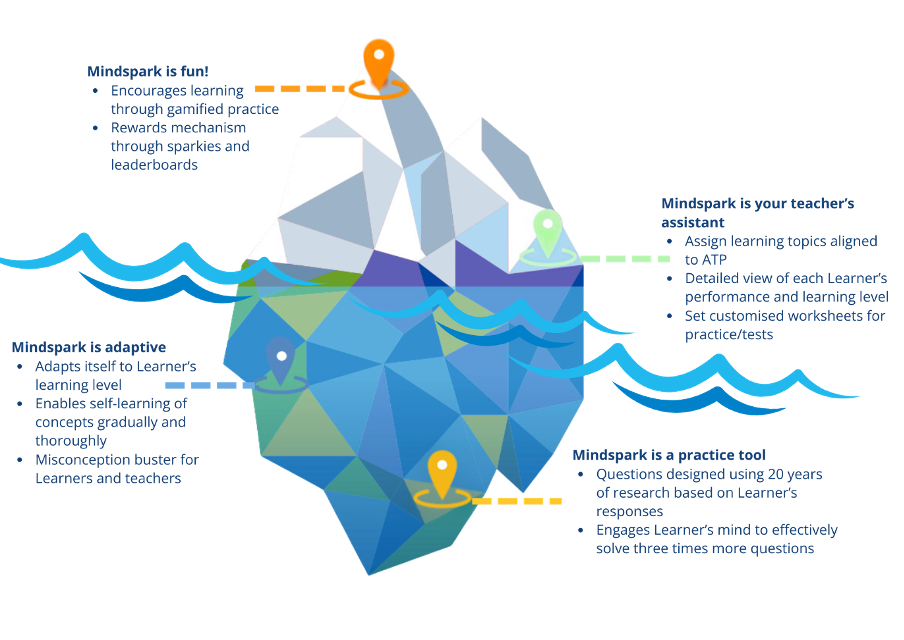
When Edulution Zambia introduced our newAI-powered learning platform with Mindspark earlier this year, we hoped it would help children strengthen their numeracy skills. Mindspark works like a personal tutor for every learner - giving each child questions at the right level, offering step-by-step support, and helping them practise until they master a concept.
Six months later, we’re excited to share what we’re seeing.
What we found after six months
Between June and November 2026, we assessed 1,470 learners across 9 schools. Here’s what stood out:
- 68% of learners (1,000 children) improved their scores.
- Learners gained an average of 0.58 standard deviations—a measure widely used in global education research to compare learning progress across different grades, countries, and tests.
- While absolute scores rose from 32% to 40%, learners still need more time before they fully catch up to grade level or achieve mastery.
In simple terms: learners made meaningful progress, but there is still room to grow.
Why a 0.58 SD gain matters
Standard deviation (SD) can sound technical, but here’s the idea in everyday language:
It tells us how big the improvement is, compared to how learners normally differ from each other.
A gain of 0.58 SD means:
- Learners improved well beyond what we would expect from normal year-to-year growth.
- This is considered a medium to large improvement by global education standards.
- In developing countries, most EdTech programmes achieve 0.10–0.20 SD. Our 0.58 SD result is far above this range and signals substantial real learning, not just engagement.
This tells us that the Edulution–Mindspark model is performing significantly better than the global average for similar interventions.
More time on the platform = more learning
One of the clearest findings is the strong link between time spent on Mindspark and learning gains. When we group learners by how many hours they used the programme, a simple pattern emerges:
The more time learners spend, the more they improve.
This reinforces something we’ve seen in our work for years: Human-facilitated EdTech works best when learners receive consistent coaching, guidance, and protected learning time.
What’s next: adding greater research rigour
In early 2026, we are adding a new level of research strength by including control group schools—schools that will not yet use Mindspark. This comparison will allow us to measure:
- How much progress is due to the Edulution programme
- How outcomes differ between learners on the platform and those learning as usual
- The specific areas where the programme creates the biggest impact
We’ll run baseline, midline, and endline assessments across both groups, giving us richer insight into how the platform is performing.
Looking ahead
These early results show that human-facilitatedEdTech, powered by adaptive learning, can make a real difference in addressingAfrica’s learning crisis. We’re encouraged by the progress so far—and committed to continually deepening our evidence base as we scale.
Watch this space. The promise of personalised learning for every child is becoming a reality.

Subscribe to our newsletter
Get updates, impact stories, and insights delivered straight to your inbox.